
How to Check If Bundling Home and Auto Insurance Actually Saves You Money
Compare total annual cost and coverage details, not just the discount percentage.
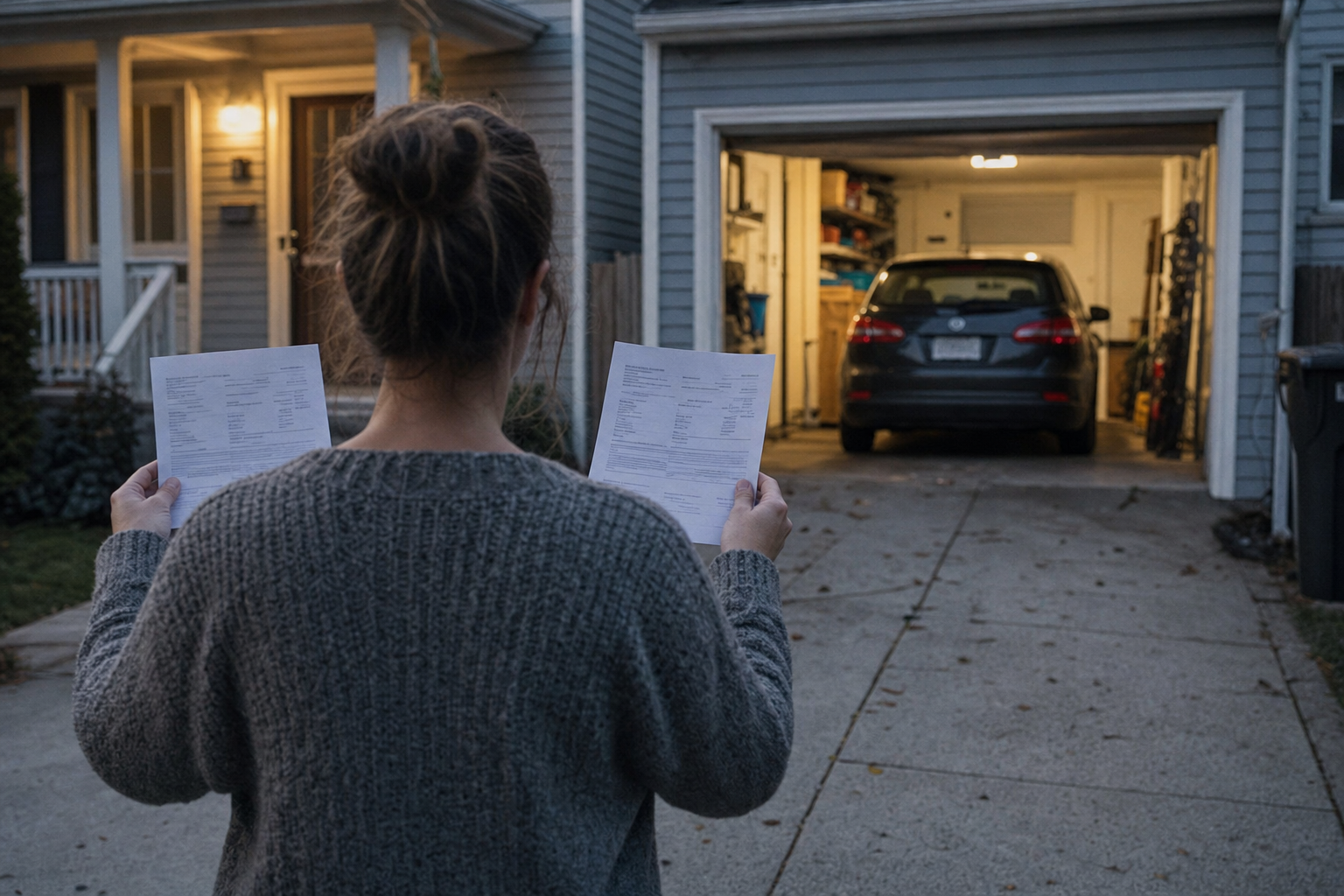
You receive a quote from your auto insurer offering a discount if you add a homeowners policy.
The email highlights a multi-policy discount, but the bundled premium is still higher than you expected.
The only way to know if you save money is to compare the total annual cost of the bundle with the combined cost of separate policies that provide the same protection.
A large discount on a high base premium can still cost more than two standalone policies from different insurers.
This guide walks through the comparison step by step.
The only reliable test is the total annual premium, not the discount label.
Add the standalone home and auto premiums, then subtract the bundled total. If the bundle costs less and the coverage is equivalent, you save. If it costs more or reduces protection, you don’t.
Why the Discount Percentage Doesn’t Tell the Whole Story
An insurer may advertise a multi-policy discount, but that percentage applies to the company’s own base rate.
If the base rate is higher than a competitor’s, the discounted bundle can still be more expensive.
A smaller discount from a lower-priced carrier may produce a better final number than a larger discount from a higher-priced one.
How to Compare Bundled and Separate Quotes
Request a written bundled quote from one insurer and separate home and auto quotes from other carriers.
Check that each quote uses the same liability limits, dwelling or replacement-cost coverage, vehicle coverage, deductibles, and endorsements.
Add the annual premiums of the two standalone policies.
Subtract the annual bundled premium.
The difference is your actual saving or loss.
The comparison should include these items:
| Coverage element | What to verify |
|---|---|
| Liability limits | Same bodily injury and property damage amounts on auto; same personal liability on home |
| Dwelling coverage | Replacement cost or actual cash value, and the coverage amount |
| Deductibles | Collision, comprehensive, and home deductible amounts |
| Exclusions | What perils or losses are not covered |
| Endorsements | Optional coverages such as umbrella, roadside assistance, or scheduled personal property |
When Separate Policies May Cost Less
One insurer may offer competitive auto rates but charge more for home coverage.
Another may excel at homeowners policies but price auto insurance higher.
If you find a strong standalone auto quote from one carrier and a strong standalone home quote from another, the combined cost of those two policies may beat any bundle.
Run the numbers both ways before deciding.
What to Ask Before You Switch
Ask the insurer whether the multi-policy discount is permanent or subject to change at renewal.
Confirm whether the discount applies to both policies or only one, and what happens to the remaining policy if you cancel the other.
Review the quote and insurer terms carefully, and check applicable state law to understand any obligations before you assume there is none.
Review the effective date, cancellation terms, and any refund or short-rate provisions in the new policy before you cancel your current coverage.
Where to Verify the Details
Contact your state insurance department for state-specific information and complaint assistance.
Separately verify insurer licensing and cancellation or premium-change rules with the department or the applicable official source.
Use the insurer’s official quote and policy pages to verify discount conditions, coverage wording, and the premium that applies if one policy is removed.
Bundling can simplify billing and account management, but convenience is a separate consideration from cost.
The right choice depends on your specific situation.
Compare the total annual cost, check the coverage details, and verify the terms with the insurer and your state department before you decide.
Repeat the comparison before each renewal and after major changes such as moving, marriage, adding a driver, or buying a vehicle.
* Premiums, discounts, and eligibility vary by insurer and state and can change. Verify current information with your state insurance department and the insurer before making a decision.