
How telematics programs track your driving and affect your premium
Usage-based car insurance uses real driving data to price your policy—here's what gets measured and who decides.
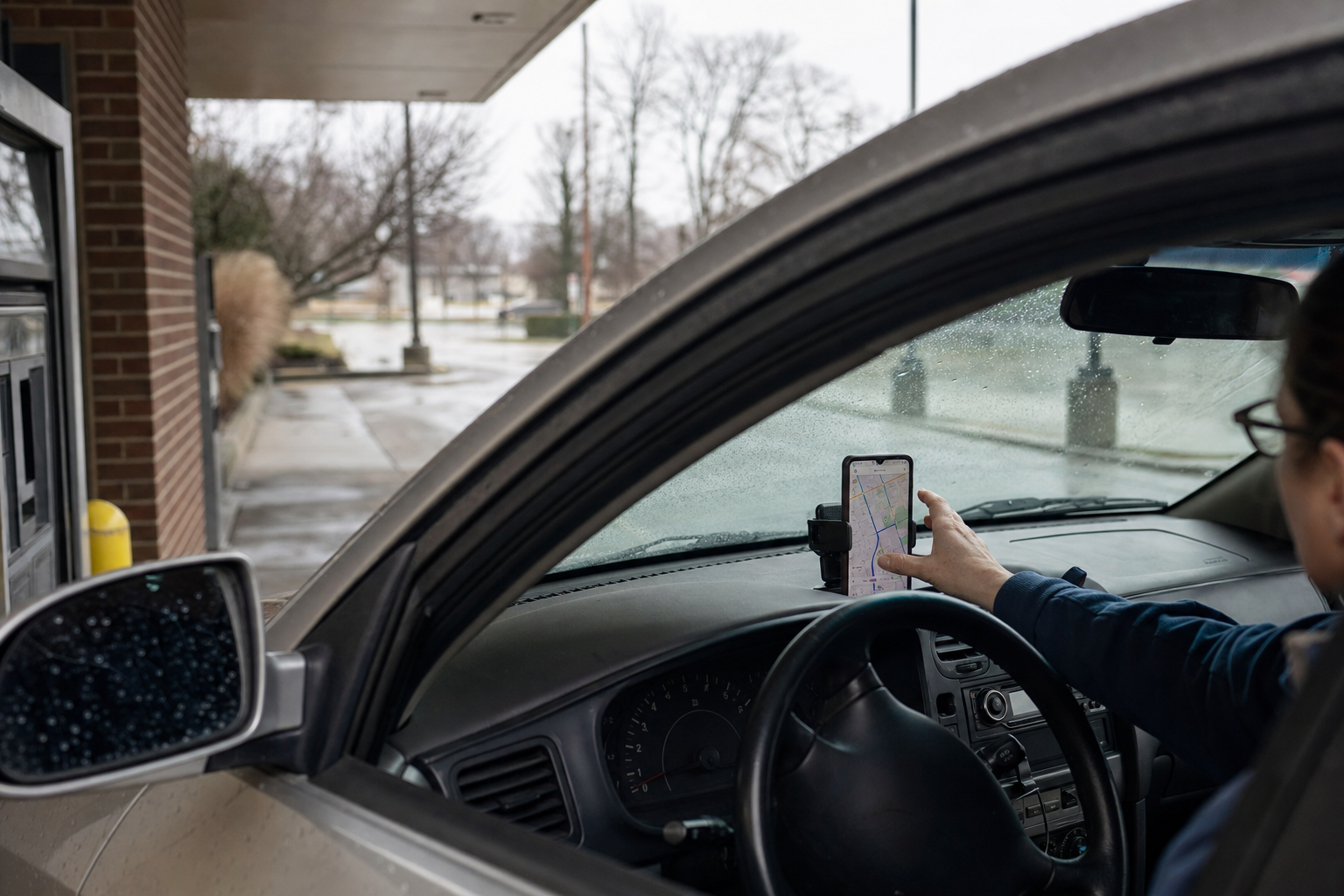
Your insurer sends an email offering a discount if you install an app or plug a device into your car.
The message says the program tracks your driving and adjusts your rate.
You wonder what information gets collected, whether the discount is guaranteed, and what happens if the data shows risky patterns.
Usage based car insurance—also called telematics insurance or UBI—uses technology to measure how much and how you drive.
Insurers may add that information to other rating factors when calculating your premium or discount, depending on the program and state-approved rating rules.
It is not a separate type of coverage.
Your liability, collision, and comprehensive protections stay the same; the program changes how the insurer calculates what you pay.
Programs vary widely.
Some focus on mileage.
Others may evaluate factors such as braking, acceleration, phone use, and time of day.
The data collection method, the factors that matter, and whether results can affect your premium all depend on the insurer and the rules approved in your state.
Telematics programs measure real trips, not just your profile.
Traditional auto insurance rates you on factors such as driving record, vehicle type, and credit-based insurance score. Usage based car insurance may add actual driving data—such as mileage, braking, speed, location, or phone activity—to the pricing formula. The result can be a lower premium, a smaller discount, no change, or in programs where state rules allow it, a premium adjustment when the insurer’s model indicates higher risk.
How insurers collect your driving information
Telematics programs may use one of three main collection methods.
Each has trade-offs in convenience, accuracy, and the type of data captured.
A smartphone app is used by some programs.
You download the insurer’s app, grant location and motion permissions, and the app records trips automatically or when you enable tracking.
The app may measure mileage, time, location, speed, braking, acceleration, and phone use during the trip.
Accuracy depends on the phone’s sensors, GPS signal, and whether the app correctly identifies the driver versus a passenger.
A plug-in device may be used in other programs.
The device connects to the vehicle’s diagnostic port and reads data from the vehicle’s computer, then transmits it to the insurer.
It may capture mileage, time, speed, and driving events such as hard braking or rapid acceleration.
Some devices include GPS; others do not track location.
Built-in vehicle telematics use the car’s factory-installed connected-car system when the vehicle and insurer support this method.
When you enroll, the insurer receives data directly from the vehicle manufacturer’s platform.
This method requires a compatible vehicle, and subscription or data-sharing requirements vary by manufacturer, insurer, and program.
The data set depends on what the vehicle reports and what the insurer’s agreement with the manufacturer allows.
The method your insurer offers determines what gets measured and how trips are attributed.
If multiple people drive the vehicle, confirm whether the program can distinguish drivers and how trips by other household members affect your score.
What the program actually measures
Usage based car insurance programs may collect a range of driving information.
The exact list varies by insurer, program design, and state approval.
Mileage is measured by many programs.
Programs that emphasize mileage may price lower annual miles as lower exposure to accidents.
Time of day may be measured.
When trips occur can be evaluated differently depending on the program.
Location data may show where you drive, how far from home, and which roads you use.
How location information is used varies by program.
Driving behavior may include hard braking, rapid acceleration, and sharp cornering.
These events may be evaluated as indicators of driving risk.
Speed may be measured in some programs.
Airbag deployment is a clear accident signal and may be recorded when the vehicle’s system reports it.
Phone use during trips is monitored by some app-based programs.
The app may monitor phone activity while the vehicle is moving.
The technology cannot always distinguish between the driver and a passenger, so review the program’s terms to understand how phone activity is scored and whether you can dispute incorrect attribution.
Not every program measures every factor.
Mileage-only programs exist.
Other programs combine mileage with behavior.
The insurer’s program disclosure and your state insurance department can clarify what is collected and how it is used.
| Program type | Primary focus |
|---|---|
| Pay-as-you-drive | May focus on mileage and vehicle use |
| Pay-how-you-drive | May evaluate behaviors such as braking, acceleration, time, or phone use |
| Hybrid | May combine mileage and behavior in a single rating model |
When telematics can lower your premium
Usage based car insurance may produce savings when your driving pattern aligns with the insurer’s risk model.
The benefit is not automatic and depends on the program rules and your actual data.
Low annual mileage may be a benefit in pay-as-you-drive programs.
A driver who covers fewer miles may face less exposure to accidents, and the insurer may price that lower risk into the premium.
Example: someone who works from home and drives only for errands and weekend trips may see a meaningful reduction compared to a driver who commutes daily.
Smooth driving behavior may help in pay-how-you-drive programs.
Gradual braking, steady acceleration, and controlled turns may signal lower accident risk.
Driving primarily during daytime hours may affect your score in programs that measure time of day.
Limited phone activity during trips may be evaluated when the program monitors phone use.
The size of the benefit varies.
How the insurer applies the results is determined by the program terms and your state’s insurance regulations.
Review your program terms and state insurance department guidance to understand how discounts or premium adjustments are applied.
Privacy and data accuracy questions to ask first
Telematics programs collect detailed information about when, where, and how you drive.
Review the insurer’s privacy notice and program terms before you agree to participate.
Ask what data is collected.
Mileage and time are less invasive than continuous GPS location and phone activity.
Understand how long the insurer retains the data and whether it is shared with third parties, including the vehicle manufacturer, app vendors, or other companies.
Location data may reveal sensitive location patterns.
Check how trips and driving events are recorded and scored.
Confirm the insurer’s process for reviewing your data, disputing trips you believe are inaccurate, and correcting errors.
Find out what happens if the app stops working, the device fails, or the vehicle’s connected system loses signal.
Understand the consequences of results the program considers unfavorable.
Some programs limit the effect to discount eligibility: you lose the discount but your base premium stays the same.
Other programs may adjust the premium based on telematics data when state rules allow it, which means results the insurer considers higher risk can affect what you pay.
The distinction matters, especially if your driving pattern changes or if other household members use the vehicle.
Before you decide, consider these questions:
- Does the potential discount justify sharing detailed driving data, including location and time?
- Can the program affect your premium, or does it only affect discount eligibility?
- How will trips by other household drivers be handled and scored?
- What is the insurer’s process for disputing trip data or driving events you believe are inaccurate?
- Is the program available in your state for your vehicle and policy type?
- How does the program compare to other insurers’ telematics offerings if you are shopping for a new policy?
Usage based car insurance may lower costs for drivers whose mileage and behavior fit the insurer’s model.
It is not the right choice for everyone.
The decision depends on how much you drive, when and where you drive, how comfortable you are sharing location and activity data, and whether the program rules in your state allow premium adjustments or limit the effect to discounts.
Non-telematics options may be available depending on insurer and state.
Compare the options, read the terms, and choose the approach that matches your driving pattern and privacy preferences.
* Program availability, data collection methods, scoring rules, and premium effects vary by insurer and state. Confirm current terms with your insurer and review guidance from your state insurance department before enrolling. NAIC telematics overview