
Gap Insurance: What It Covers and When You Actually Need It
Understand the shortfall gap insurance addresses and whether your loan or lease creates one.
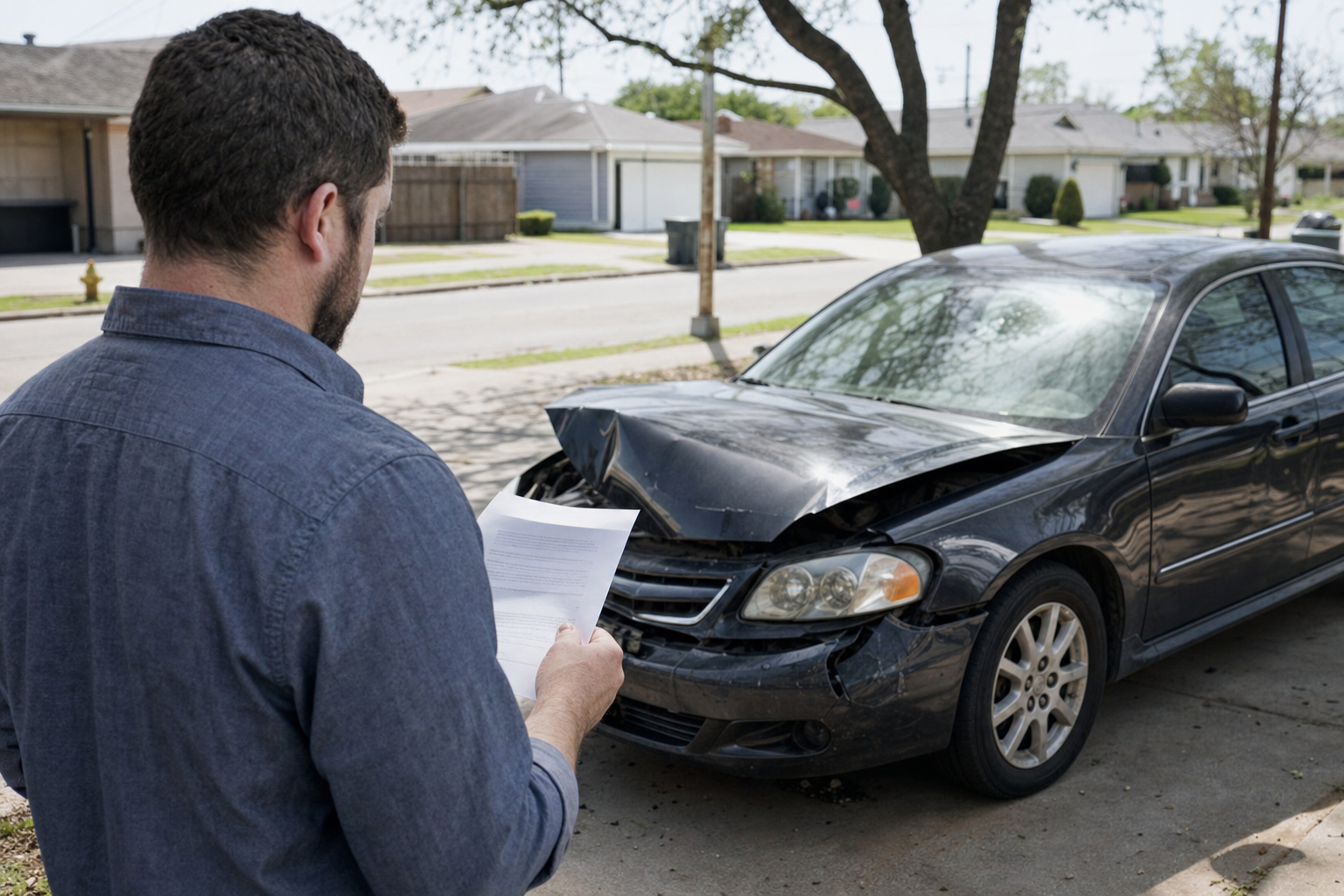
You receive the settlement check after your car is totaled.
The insurer valued the vehicle at its actual cash value, minus your deductible. You open the envelope and realize the amount is several thousand dollars short of what you still owe the lender.
That shortfall is the gap.
The Consumer Financial Protection Bureau describes guaranteed asset protection (gap) as an optional product intended to cover some or all of the difference between the amount you owe on an auto loan and the payment your insurer makes after the vehicle is stolen, damaged, or totaled.
Whether coverage applies to a lease, and under what conditions, depends on the specific contract you hold.
Your collision or comprehensive policy establishes the settlement for a covered loss according to the terms written in that policy.
Gap insurance steps in only after that settlement, and only when a gap exists.
Knowing when a gap is likely—and what the coverage does and does not do—helps you decide whether to add it to your policy or skip it entirely.
The gap exists when you owe more than the vehicle is worth.
If your loan balance is below the vehicle’s current value, or if the vehicle is paid off, there is no gap to insure.
What gap insurance actually pays
Gap insurance addresses the eligible difference between two numbers: the settlement your collision or comprehensive insurer pays under your policy, and the amount you still owe your lender or lease company.
Example: Your insurer determines your totaled vehicle is worth twenty thousand dollars.
After subtracting your five-hundred-dollar deductible, the settlement is nineteen thousand five hundred dollars. You owe twenty-four thousand dollars on the loan.
The potential gap is four thousand five hundred dollars, subject to the contract’s limits and exclusions.
Gap coverage does not replace your collision or comprehensive policy.
Those policies establish the underlying settlement. Gap insurance may then cover the qualifying shortfall, up to the maximum benefit and exclusions written into your contract.
The coverage applies when the vehicle is stolen, damaged, or totaled in a manner covered by your contract.
The specific trigger—what counts as a covered total loss—depends on the terms of your gap contract and your underlying auto policy.
Gap coverage does not pay for repairs, routine maintenance, or partial damage.
When the gap is most likely to exist
A gap between your loan balance and your vehicle’s value is more likely when you put little money down, finance over a long term, or drive a vehicle that depreciates quickly.
Leasing can also create a gap.
Before purchasing separate gap coverage, check the terms of your lease agreement to understand whether gap protection is already included or required under that contract.
The table below compares situations where a gap is more or less likely to exist.
| Higher chance of a gap | Lower chance of a gap |
|---|---|
| Small or no down payment | Large down payment or cash purchase |
| Long financing term | Short loan term or significant equity built |
| Vehicle depreciates rapidly | Vehicle holds value well |
| Lease with no built-in gap protection | Lease contract already includes gap coverage |
Your lender or lease company may include gap coverage requirements or built-in protection in your contract.
Check your contract to understand whether the requirement exists and whether equivalent protection is already included.
According to the CFPB, gap insurance is generally optional when you take out an auto loan.
State rules may vary, so confirm the requirements in your state and the specific terms of your financing or lease agreement.
Where you can buy it and what to compare
Gap insurance may be available from your auto insurer as an endorsement added to your collision and comprehensive coverage.
It may also be offered by the dealer or lender at the time of financing, sometimes as a debt-waiver agreement rather than an insurance policy.
Products sold under the same name can differ in coverage, exclusions, deductible treatment, maximum benefit, and cancellation terms.
Comparing the actual contract language is more important than comparing product names.
The CFPB distinguishes between gap insurance and debt-cancellation or gap-waiver products.
Before you buy, ask the provider to explain in writing what is covered, what is excluded, how the deductible is handled, the maximum benefit, and the cancellation process.
Compare those details across providers.
Confirm with your state insurance department which type of product you are considering and which rules apply.
How a gap claim works in practice
When your vehicle is stolen, damaged, or totaled, your insurer determines the settlement according to the terms of your collision or comprehensive policy.
The insurer typically subtracts your deductible and pays the remaining amount.
If that settlement is less than what you owe, you submit a gap claim.
The gap insurer or contract administrator reviews the settlement, verifies your outstanding balance, and pays the eligible difference, up to the policy’s maximum and subject to any exclusions.
Not every dollar of your loan balance may be covered.
The claim process and documentation requirements vary by provider.
Understanding your specific contract before a loss occurs can prevent surprises when you file a claim.
When you probably don’t need it
Review whether your current loan or lease balance exceeds your vehicle’s current value.
If the vehicle is paid off or the balance is below the value, there is no gap.
If you made a large down payment or financed over a short term, the gap may be small or nonexistent from the start.
If your lease contract already includes gap protection, purchasing separate coverage duplicates the benefit.
When the loan is paid off or equity has been established, review your policy or contract to determine whether the coverage can be canceled and whether any refund or balance adjustment applies.
Gap insurance is designed for a specific risk.
Whether that risk exists depends on your current balance, vehicle value, and contract terms.
Before you decide, verify your loan balance, check your vehicle’s current value, review your lease agreement for existing protection, and compare contract terms from different providers.
Confirm with your lender or lease company whether gap coverage is required and whether it is already included.
Your state insurance department can help you understand the rules and options that apply to you.
The decision depends on your own numbers, not general advice.
* Coverage terms, availability, and requirements vary by state, provider, and contract. Confirm current details with your insurer, lender, or state insurance department. For federal financing disclosure rules, see the Consumer Financial Protection Bureau.